Creating a home office that feels cosy and inviting can make a significant difference to your workday. A well-designed space encourages focus, reduces stress, and helps separate work life from home life. Whether you have a dedicated room or a small nook for your workspace, these tips will help you build an environment that is both comfortable and inspiring.
Choose the Right Location
Before you start decorating, consider where your home office will be. Ideally, choose a spot that is quiet and free from distractions. If possible, select a room with natural light, as daylight can improve mood and productivity. If you don’t have a separate room, find a corner that you can dedicate solely to work to help create a mental boundary between work and leisure.
Invest in Comfortable Furniture
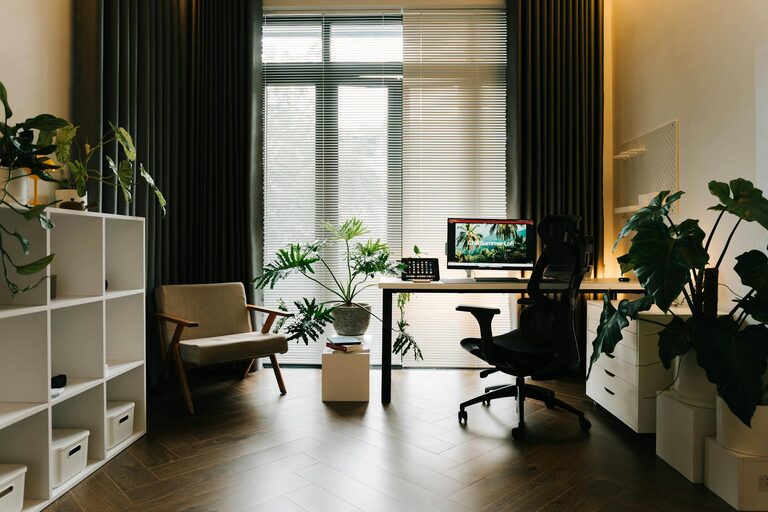
Comfort is key when it comes to a home office you’ll enjoy spending time in. Choose an ergonomic chair that supports your back and encourages good posture. Pair it with a sturdy desk at the right height to avoid strain. If space allows, consider adding a small armchair or a cushioned bench for breaks or informal working sessions.
Personalise Your Space
Adding personal touches can make your workspace feel more welcoming. Display a few favourite photos, artworks, or inspirational quotes, but avoid cluttering the area. Plants are another excellent way to make your home office cosy. They add colour, improve air quality, and create a calming atmosphere.
Use Soothing Colours
The colours you choose for your home office walls and accessories can influence your mood. Soft, neutral tones such as beige, light grey, or pastel shades create a calming backdrop. If you prefer something livelier, consider one accent wall in your favourite colour to add personality without overwhelming the space.
Optimise Lighting
Adequate lighting is essential to prevent eye strain. Combine natural light with layered artificial lighting. A good desk lamp with adjustable brightness will help you see clearly during late-night work. Use warm-toned bulbs to create a cosy ambiance, rather than harsh, cold light.
Keep the Space Organised
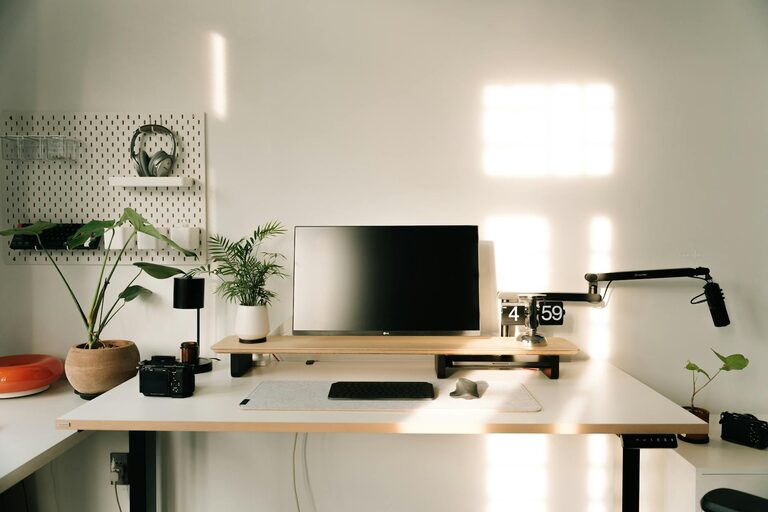
An organised workspace helps maintain focus and reduces stress. Use shelves, storage boxes, or drawer organisers to keep documents and supplies tidy. Label containers for easy access to frequently used items. Regularly declutter your desk to keep the area open and inviting.
Add Texture and Soft Furnishings
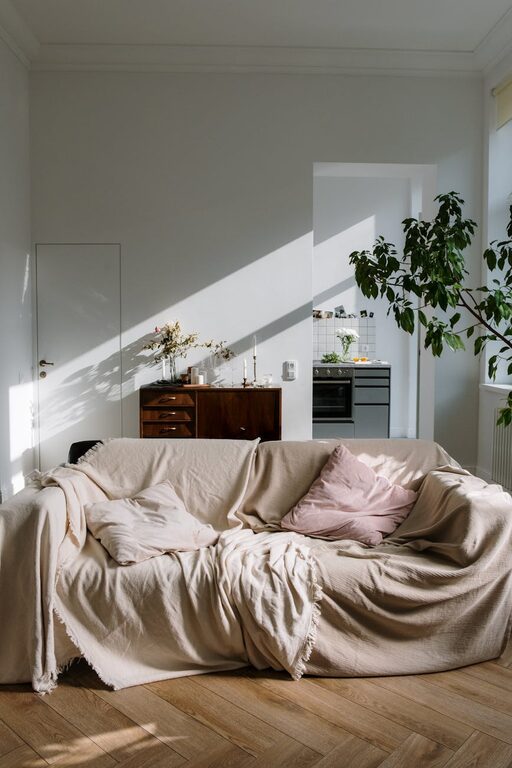
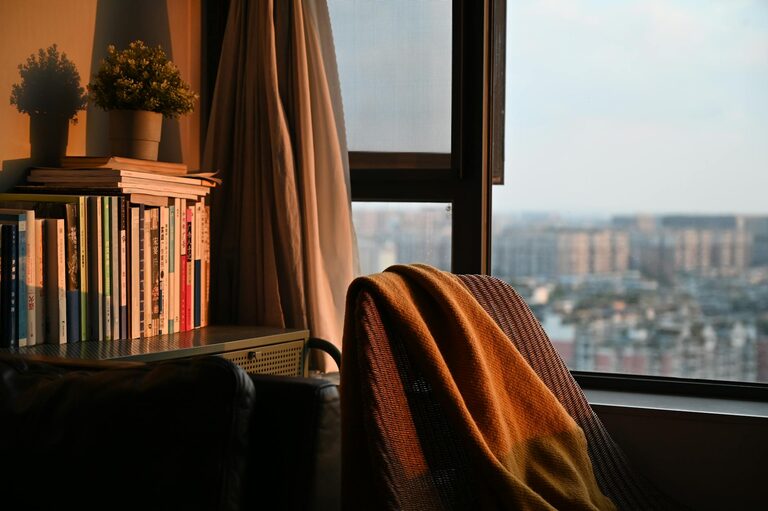
Soft furnishings like cushions, rugs, or curtains add texture and warmth to your home office. Choose materials that feel nice to touch, such as cotton, wool, or linen. A soft rug underfoot can make the room feel homely and improve comfort during long working hours.
Minimise Noise Distractions
If noise is an issue, consider soundproofing options. Thick curtains, rugs, and upholstered furniture can absorb sound. Noise-cancelling headphones or playing soft background music can also help you focus in a distracting environment.
Incorporate Functional Accessories
Choose practical accessories that suit your work style. This may include a corkboard or whiteboard for notes and reminders, a stylish pen holder, or a wireless charger for your devices. Keep accessories minimal but useful to avoid overcrowding your desk.
Maintain a Dedicated Work Routine
Even the most inviting home office won’t be as effective without a clear work routine. Set specific hours for working and take regular breaks. A cosy environment will make it easier to settle into your tasks and wind down at the end of the day.
—
Transforming your home office into a cosy and inviting space need not be complicated or expensive. By carefully considering location, furniture, lighting, and personal touches, you can create a work environment that improves both comfort and productivity. A little planning and effort go a long way towards making your home office not just a place to work, but a place you enjoy spending time in.
About the Author