
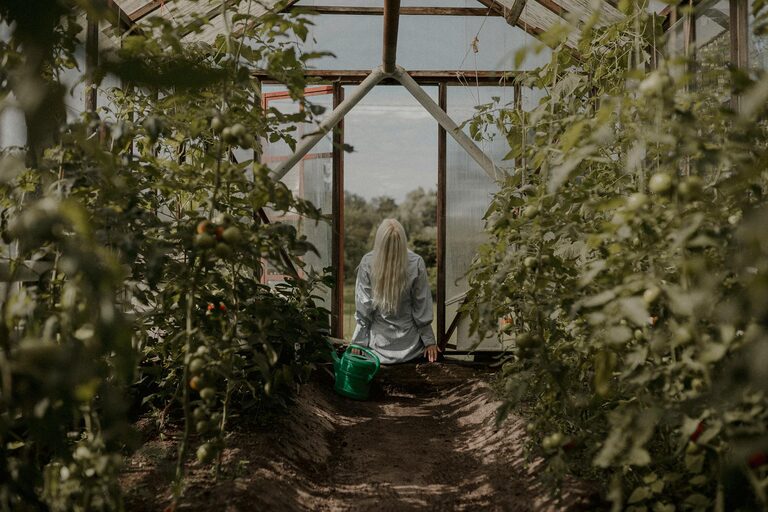
Creating a sustainable and eco-friendly home garden is a wonderful way to connect with nature, grow your own food, and reduce your environmental footprint. Whether you have a spacious backyard or a small balcony, there are plenty of ways to design a garden that works in harmony with the natural world. In this post, we’ll explore practical tips to help you create a garden that supports biodiversity, conserves resources, and fosters healthy soil.
Why Choose a Sustainable Garden?
Sustainable gardening focuses on using natural resources wisely and supporting local wildlife. It aims to reduce waste, minimise the use of chemicals, and create a balanced ecosystem. Not only does this benefit the planet, but it also leads to healthier plants, improved soil quality, and often less maintenance.
Planning Your Eco-Friendly Garden
Assess Your Space and Resources
Start by taking a close look at your available space, sunlight, soil type, and climate. This will inform your choices about which plants will thrive best without excessive watering or feeding.
– Measure your garden area accurately.
– Observe how much sun your garden receives each day.
– Check your soil condition; consider getting a soil test kit.
Choose Native and Pollinator-Friendly Plants
Native plants are well-adapted to your local environment and require less water and care. They also attract native pollinators like bees, butterflies, and birds, which are vital to a healthy garden.
– Research local native plants suitable for your area.
– Use flowers that bloom at different times to provide continuous nectar.
– Include a mix of trees, shrubs, and herbaceous plants for varied habitats.
Water Conservation Techniques
Collect Rainwater
Installing a rainwater butt or barrel is an easy way to collect and store water for your garden. Rainwater is naturally soft and free of chemicals, ideal for most plants.
– Position your water butt under downpipes to catch runoff.
– Use collected water for watering plants during dry periods.
Use Drip Irrigation and Mulch
Drip irrigation delivers water directly to plant roots, reducing wastage. Mulching with organic material helps retain moisture and suppress weeds.
– Lay down 5-10cm of mulch around plants using straw, bark chips, or compost.
– Avoid watering in the heat of the day to reduce evaporation.
Soil Health and Composting
Build Healthy Soil Naturally
Good soil is the foundation of a thriving garden. Avoid synthetic fertilisers by enriching the soil with organic matter like compost or well-rotted manure.
– Add compost annually to improve soil structure and nutrient levels.
– Rotate crops in vegetable gardens to maintain soil balance.
Start Composting at Home
Composting kitchen scraps and garden waste turns them into valuable fertilisers while reducing landfill waste.
– Use a compost bin or heap in a shady, well-ventilated spot.
– Include a balanced mix of green materials (fruit and veg peelings, grass clippings) and brown materials (dry leaves, cardboard).
Minimising Chemical Use
Natural Pest Control
Encourage beneficial insects such as ladybirds and spiders that prey on common pests. Companion planting can also help deter unwanted bugs.
– Plant herbs like basil, mint, or marigolds near vegetables.
– Avoid chemical pesticides; explore organic options if needed.
Supporting Wildlife and Biodiversity
Provide Habitat Features
Wildlife-friendly gardens include features that offer shelter, food, and nesting sites.
– Add a bird feeder, birdbath, or hedgehog house.
– Leave a small log pile or rockery to create habitats for insects and small animals.
Create Wildflower Areas
Allow a corner of your garden to grow wild with native wildflowers. This area will support pollinators and other beneficial insects.
Sustainable Materials and Tools
Choose Eco-Friendly Garden Materials
Opt for sustainably sourced or recycled materials when buying garden furniture, fencing, or planters.
– Use untreated wood or reclaimed materials.
– Buy tools with wooden handles instead of plastic where possible.
Maintain Tools Properly
Well-maintained garden tools last longer, reducing waste and cost.
– Clean tools after use to prevent rust.
– Sharpen blades regularly for efficient gardening.
Upcycling and Creative Gardening
Look for ways to reuse household items in your garden projects.
– Turn old pallets into planters.
– Use glass jars for seed starters.
– Recycle broken pots by turning them into mosaics or drainage material.
Conclusion
Creating a sustainable and eco-friendly garden is both rewarding and impactful. By planning carefully, conserving water, nurturing the soil, and supporting wildlife, you transform your garden into a healthy ecosystem that benefits you and the planet. Remember, small changes add up, so start where you can and enjoy the process of growing green!
—
By implementing these tips, you’ll be well on your way to an environmentally friendly garden that flourishes year after year. Happy gardening!
About the Author